

For a nonprofit, design is a credibility signal that tells you an organization can be relied on. Yet producing a report or prospectus to a professional standard usually means either hours of manual formatting or design fees a limited budget cannot absorb.
This case study follows Virtual Learning College, a UK charity that brought its design work in-house instead. In this article, we showcase how the organization cut the time spent on each document, reduced its design costs, and raised the quality of everything it sends out. It offers a model any nonprofit can follow to handle design without a dedicated team.
About Virtual Learning College
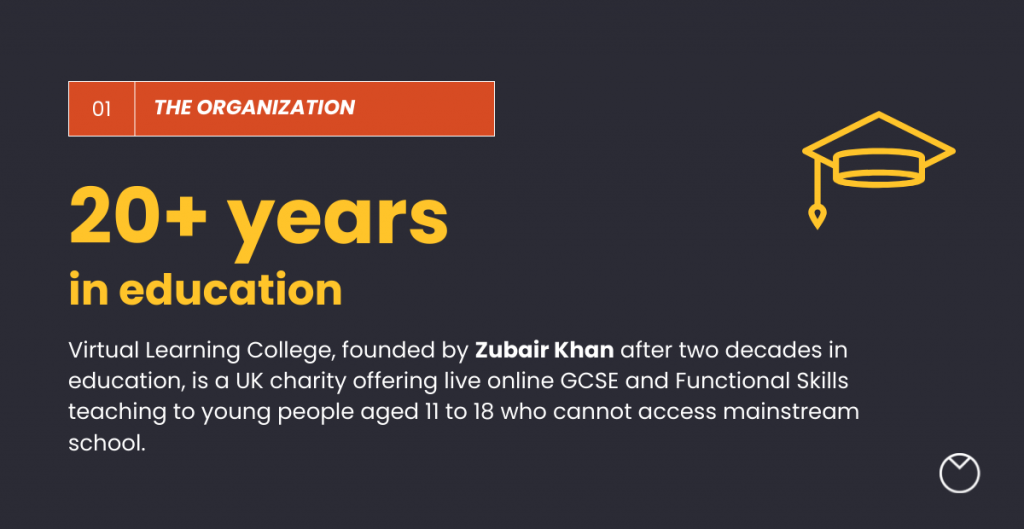
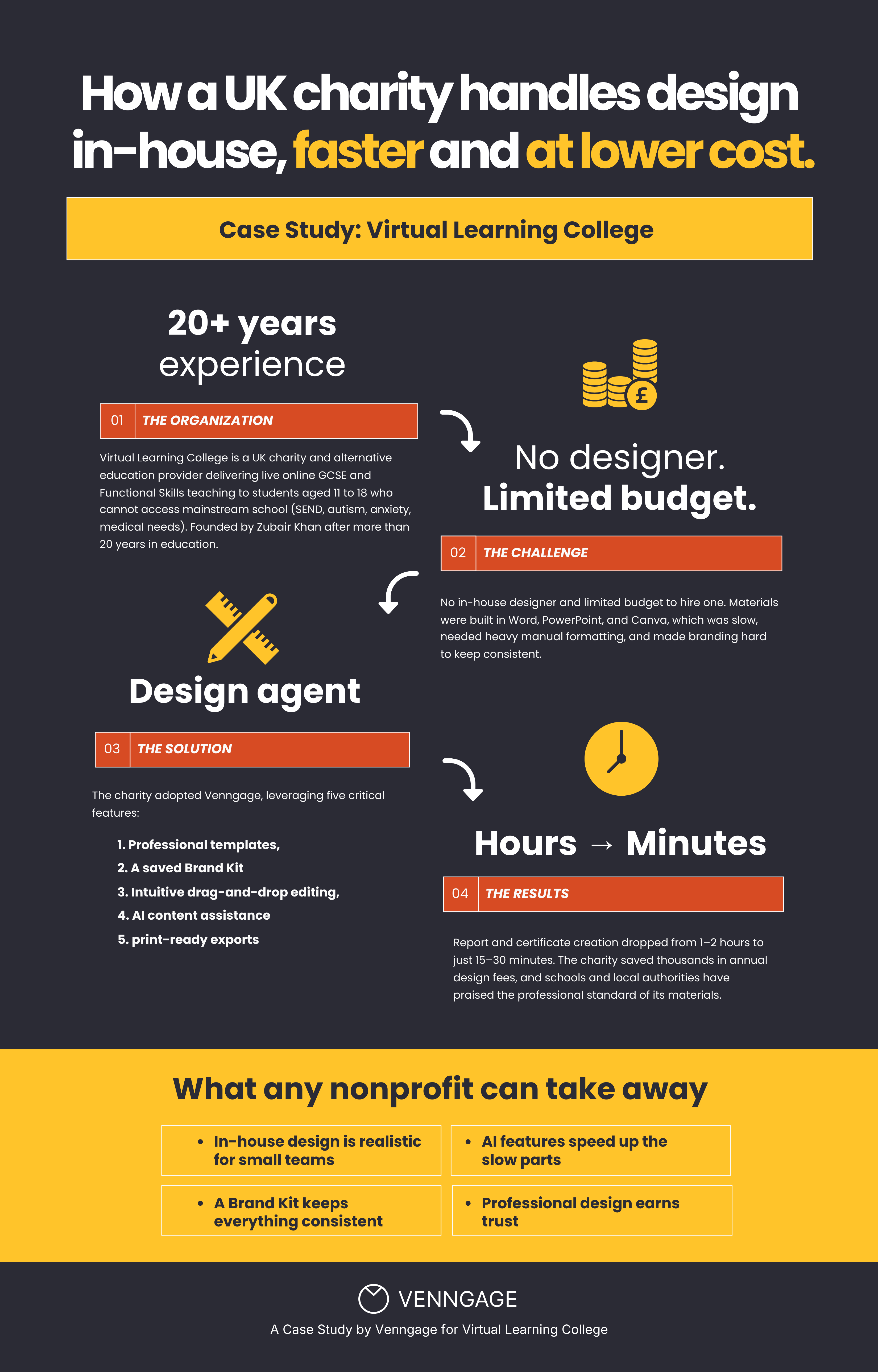
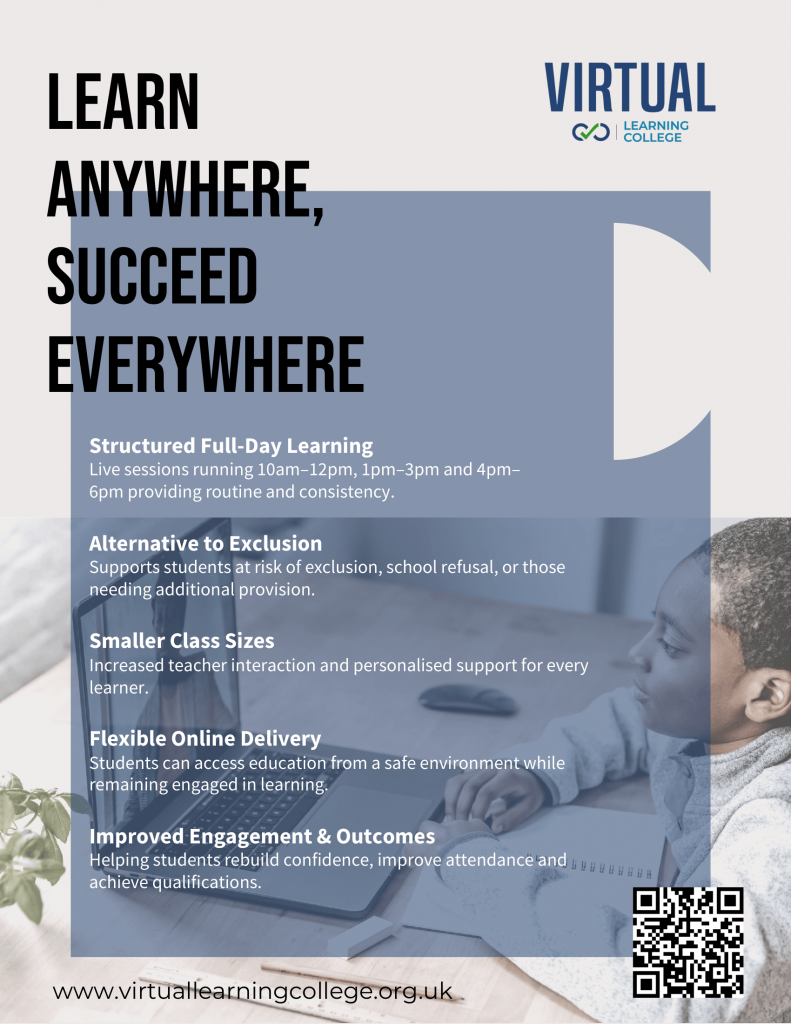
Virtual Learning College is a UK based charity and alternative education provider that delivers live online GCSE and Functional Skills teaching to young people aged 11 to 18. It works with schools, local authorities, and other professionals to support students who are unable to access mainstream education because of Special Educational Needs and Disabilities (SEND), autism, anxiety, medical needs, or other barriers to learning.
The charity started with a problem its founder, Zubair Khan, had seen play out again and again:
“After more than 20 years in education, including senior leadership roles, I saw too many young people falling through the gaps because traditional educational settings could not meet their needs.” – Zubair Khan
He set out to build a flexible, inclusive alternative that would give those students access to quality teaching, recognized qualifications, and a pathway to a better future.
Like many nonprofits, the organization also has to produce a steady stream of printed and digital materials, and it now uses Venngage to create them. The team produces roughly 100 to 150 pieces a year, including prospectuses, reports, certificates, safeguarding resources, newsletters, and social media graphics. Through its outreach to schools, local authorities, councillors, and other professionals across the UK, the charity expects these materials to reach hundreds of people annually.
The design challenge
The design problem Virtual Learning College faced is common across the nonprofit sector. Small teams need professional materials, yet they rarely have a designer on standby or the budget to commission one for every project.
Before adopting Venngage, the team built its materials in a mix of Microsoft Word, PowerPoint, and Canva.
“Creating professional looking resources was often time consuming and required a lot of manual formatting. Keeping branding consistent across reports, certificates and prospectuses was difficult.” – Zubair Khan
Hiring a designer was not a realistic option either.
“As a charity and social enterprise, our resources need to be focused on supporting young people.” – Zubair Khan
Paying for custom design work each time the organization needed a new report, prospectus, certificate, or promotional resource was not financially viable. What Zubair needed was a way to produce professional nonprofit design work quickly and affordably, in-house.
Designing in-house with Venngage
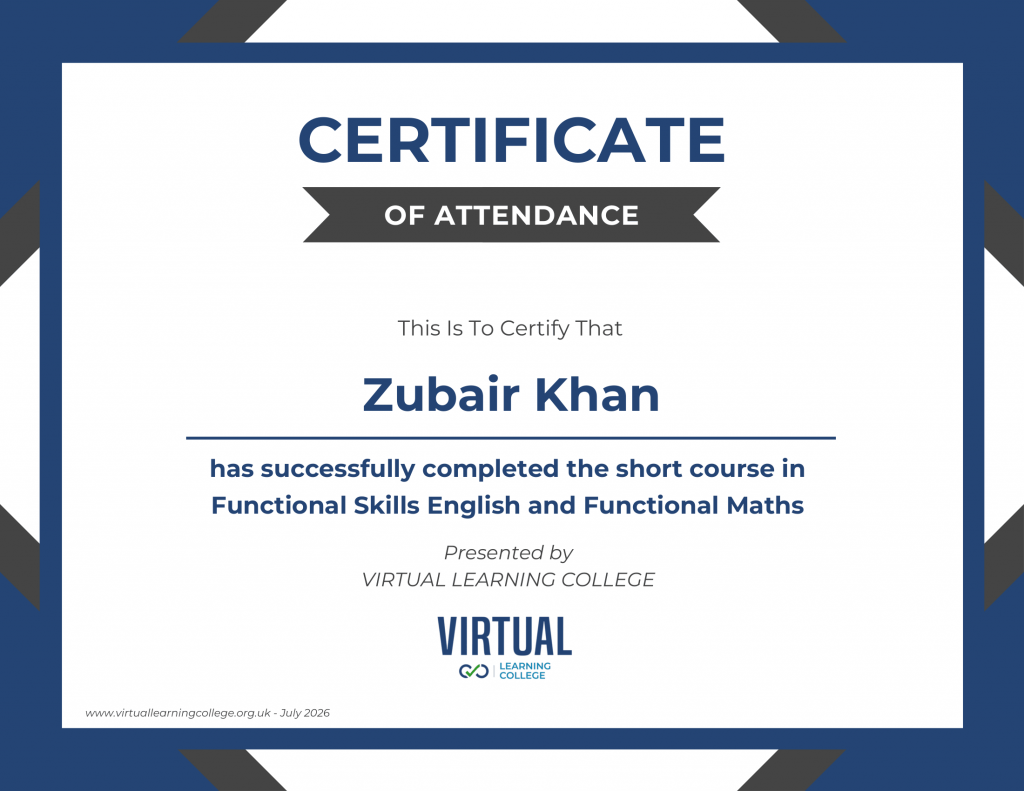
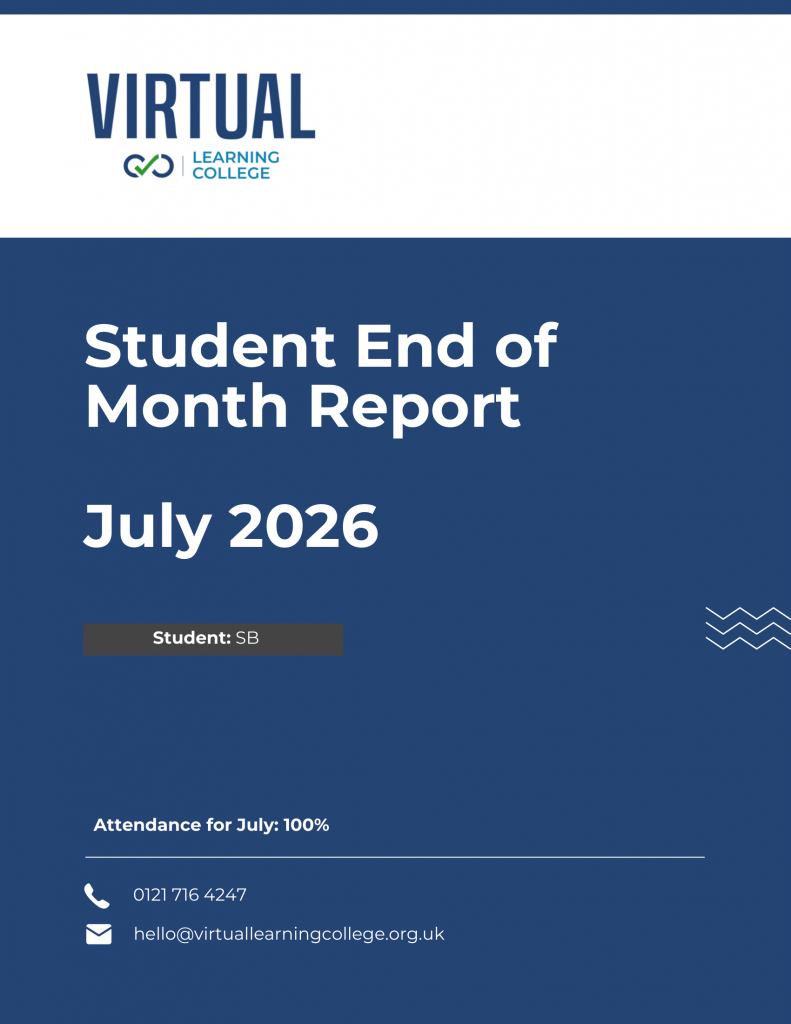
One of the first documents Zubair built in Venngage was a student certificate and progress report.
The team’s process is consistent. They begin from a Venngage template, customize it with the charity’s branding, colors, and content, and use the AI-powered features to generate ideas and structure the information. Most documents are exported as PDFs, with PNGs used for website content, social media graphics, and email banners.
The result gave the organization a more refined and credible image straight away. Venngage’s Brand Kit stands out as the most useful, because it keeps every piece of nonprofit design work visually consistent, whether that is a prospectus, a certificate, a safeguarding document, or a report.
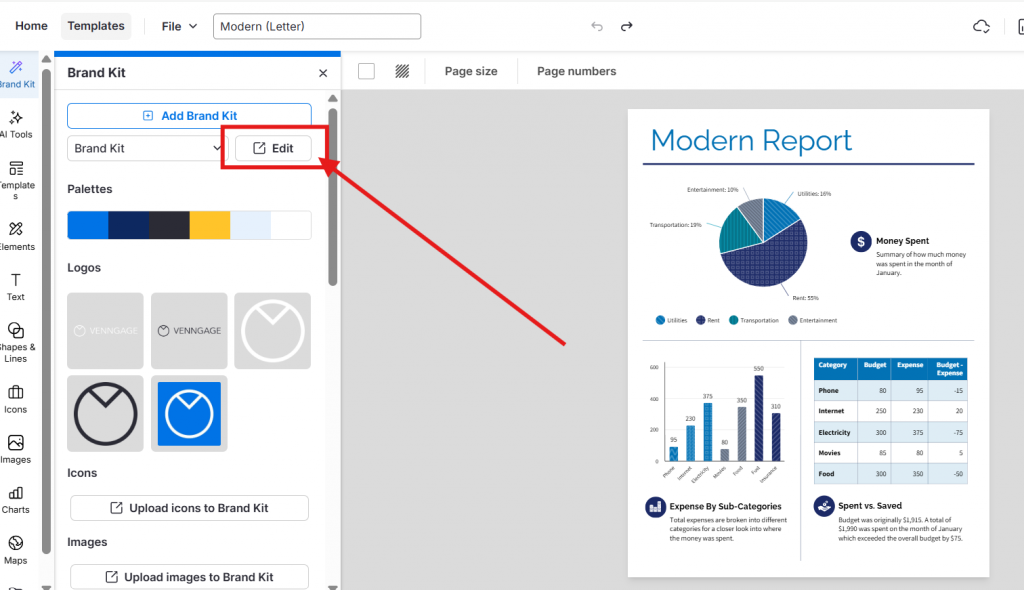
Venngage now sits inside the charity’s daily operations. The team uses it for student certificates, progress reports, promotional materials, staff resources, and information packs. For larger projects such as the prospectus, it gives them one place to build professional, visually appealing documents without needing specialist design skills.
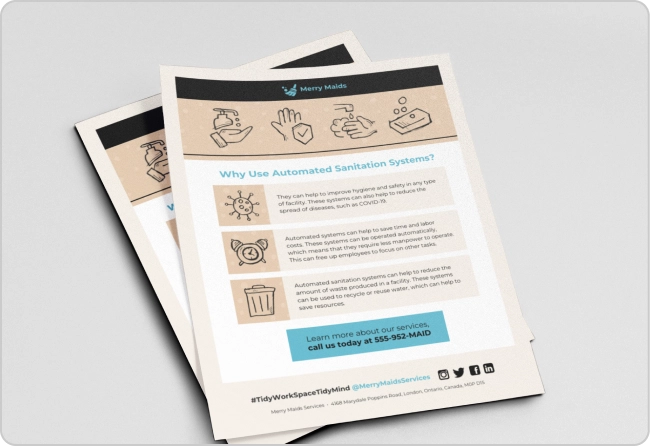
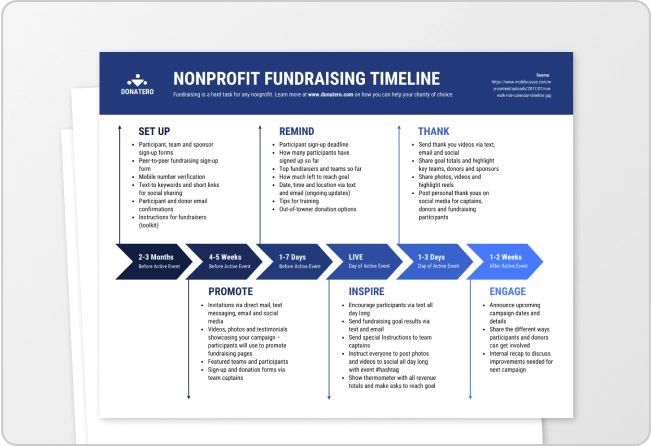
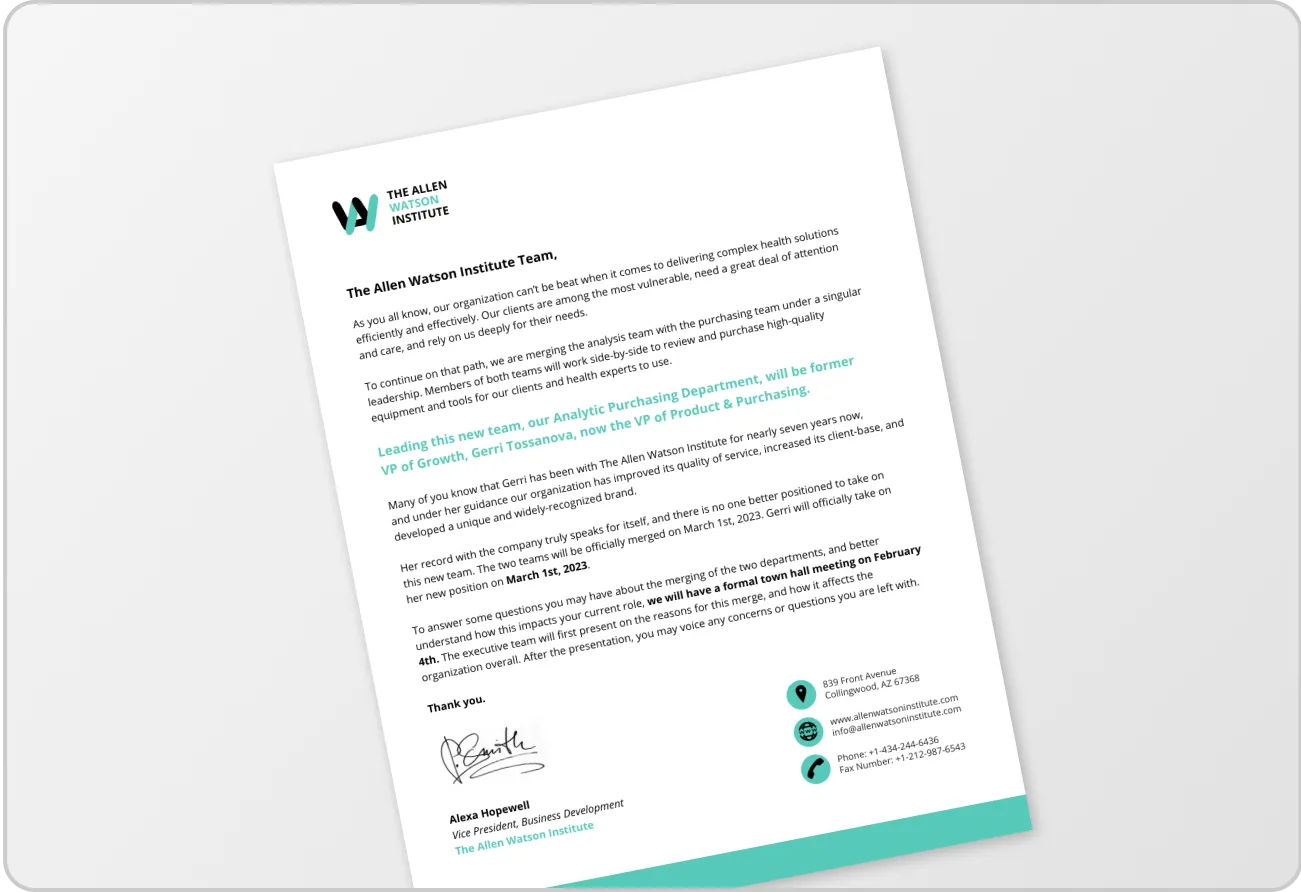
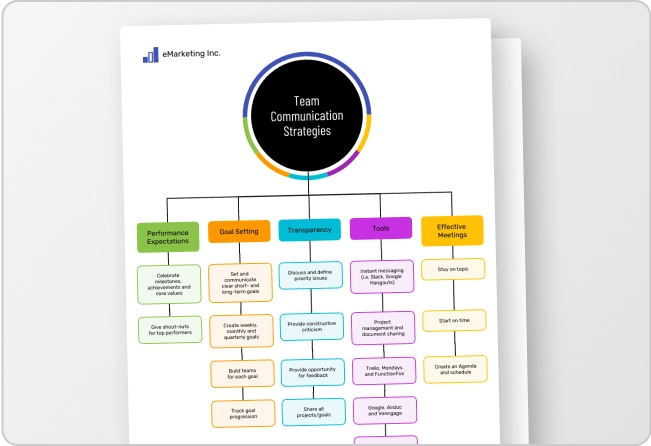
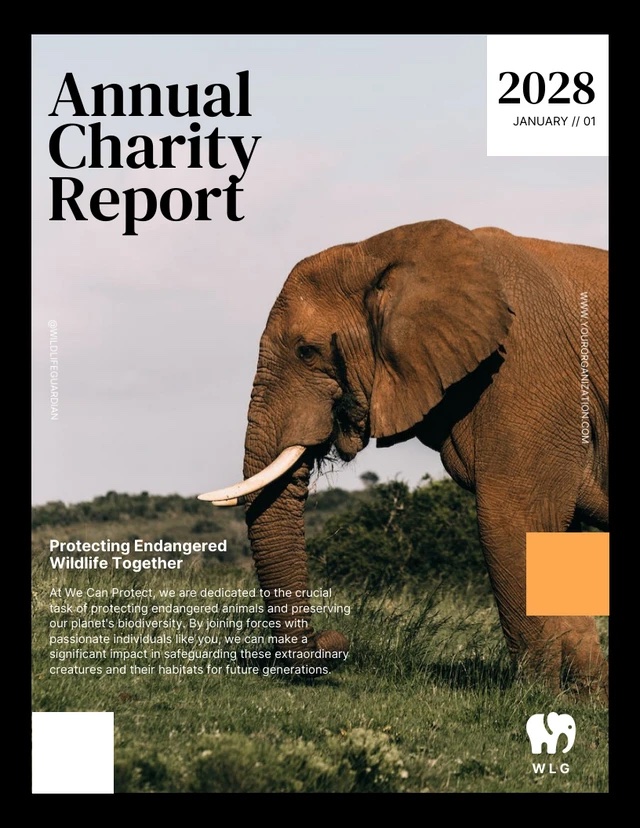
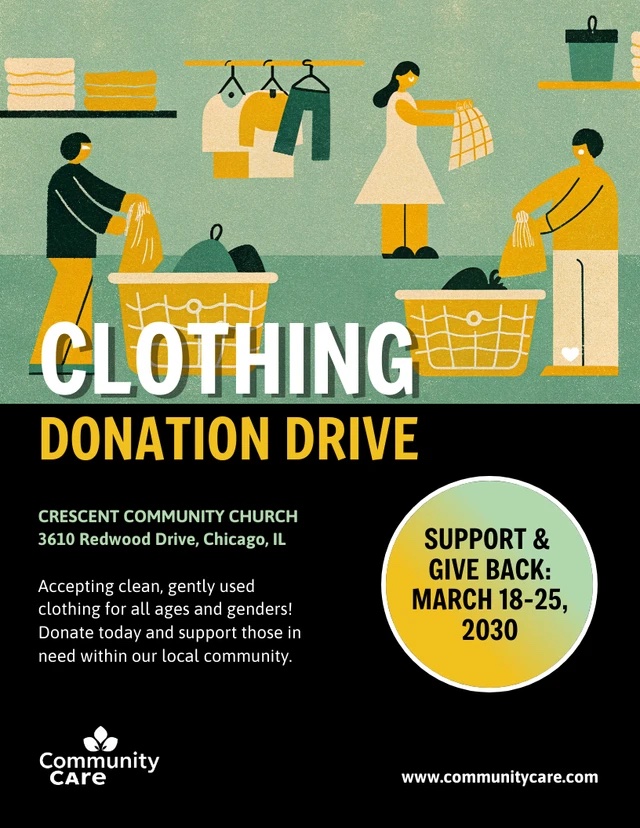
You can build the same kinds of materials for your own organization. These Venngage templates are ready to adapt:
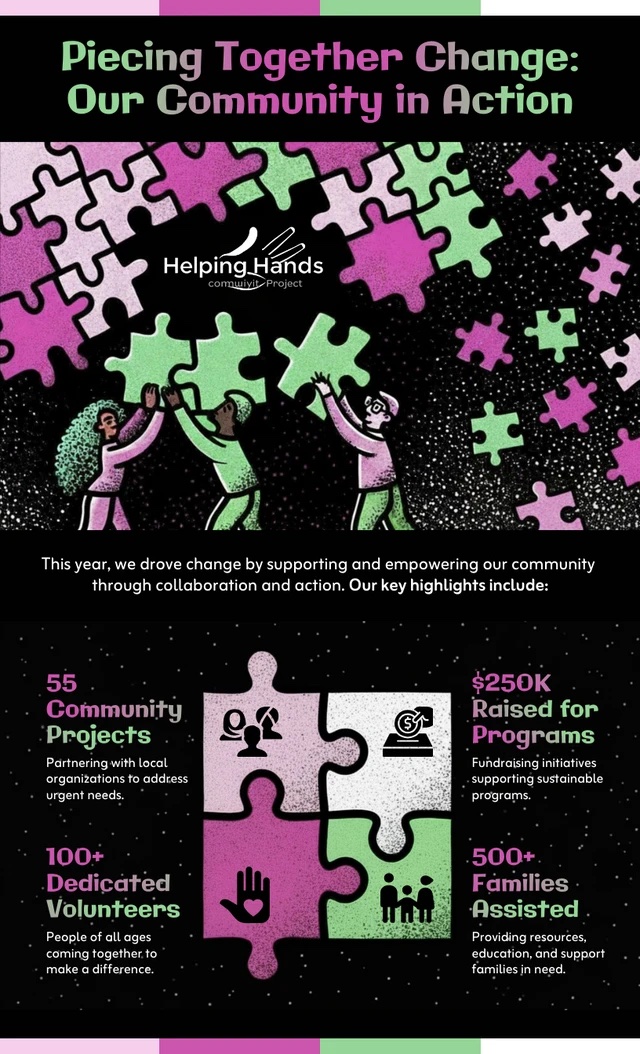
The results: hours and costs saved
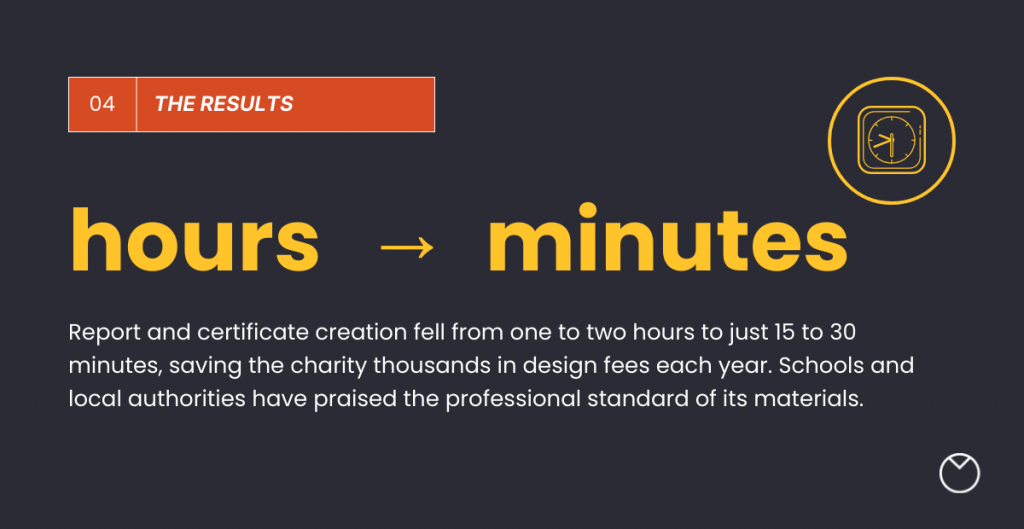
The clearest improvement is speed. A professionally formatted report or certificate used to take one to two hours to produce and refine. In Venngage, many of the same documents are now finished in 15 to 30 minutes, at a noticeably higher standard of presentation.
The cost saving is just as significant. Across a full year of certificates, reports, prospectuses, promotional resources, and information packs, hiring a designer for every project would likely cost thousands in design fees each year. Producing those materials in-house has cut that expense while holding a professional standard across all of the charity’s communications.
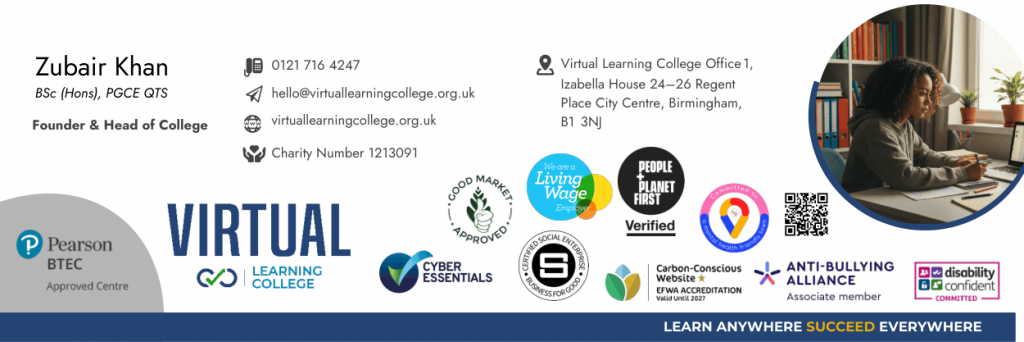
One piece stands out above the rest: the charity’s branded email banner, built in Venngage, now appears on every message it sends to schools, local authorities, councillors, and education professionals across the UK.
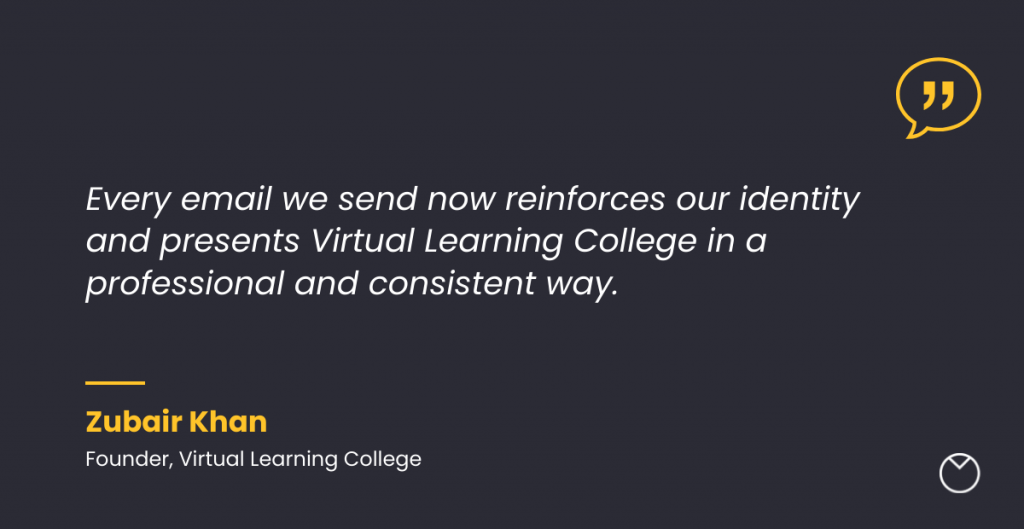
Given how many stakeholders the charity contacts, the email banner has become one of its most visible and impactful marketing pieces.
The results also hold up in print. The team has printed student certificates and reports as hard copies, and the output has come out polished, clear, and well branded, professional enough to share with learners and stakeholders with confidence.
The materials have shifted how the organization is perceived by the partners that matter.
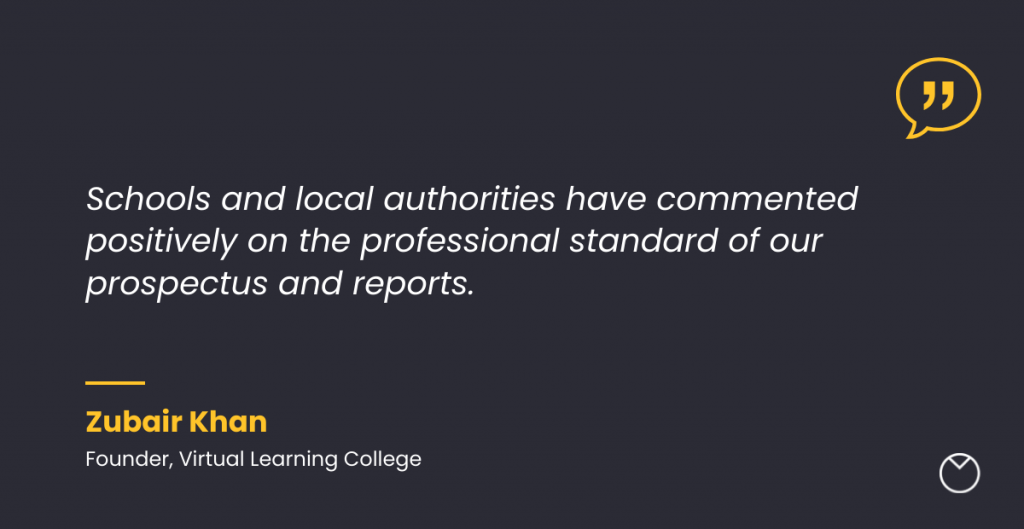
In a sector built on trust, that kind of impression counts for a lot. Well-designed materials help build confidence and credibility, which is particularly important when supporting vulnerable young people and working alongside public sector organizations.
“Venngage allows us to present ourselves professionally while focusing our resources on what matters most: supporting young people and improving educational outcomes.” – Zubair Khan
Without Venngage, the charity would face a difficult trade-off between spending far longer on documents by hand and paying to outsource design work, which would raise costs considerably. Either route would pull time and money away from students.
What other nonprofits can take away
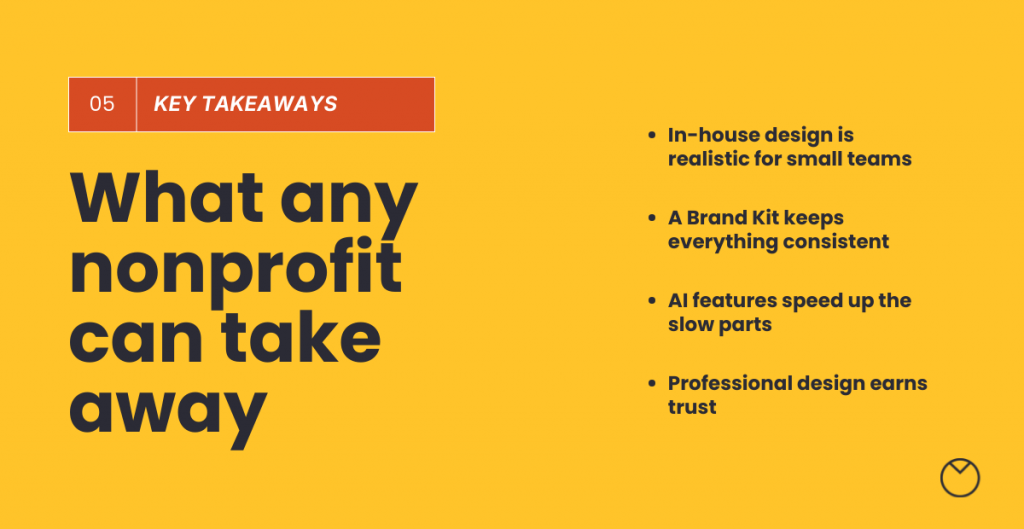
Virtual Learning College’s experience points to a few lessons that apply across nonprofit design.
The first is that in-house design is now realistic for small teams. Template-based tools and a saved Brand Kit remove most of the manual work that used to require a designer, which means a charity can produce professional materials without specialist training.
The second is that AI features can take on the slow parts of the work. Zubair’s team uses Venngage’s AI-powered tools to generate ideas and structure content, which shortens the time each piece takes and lets the team focus on the message rather than the formatting.
The third is that design quality earns trust rather than just looking good. As Zubair’s experience with schools and local authorities shows, materials that look professional change how seriously an organization is taken, which matters most when credibility has to be established quickly.
If your organization produces a high volume of materials and cannot justify a designer for each one, take a look at Venngage’s plans to find the option that fits how your team works.