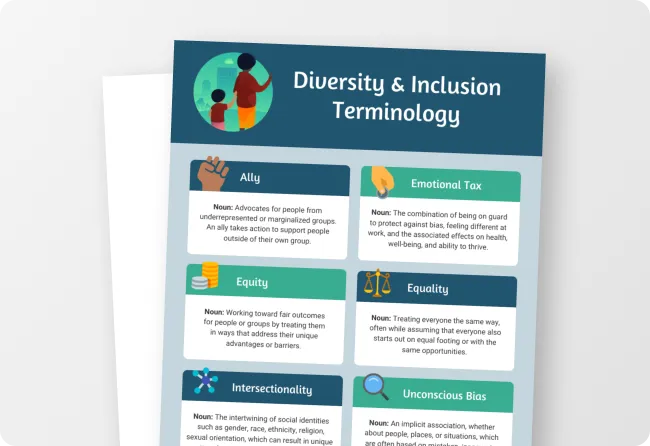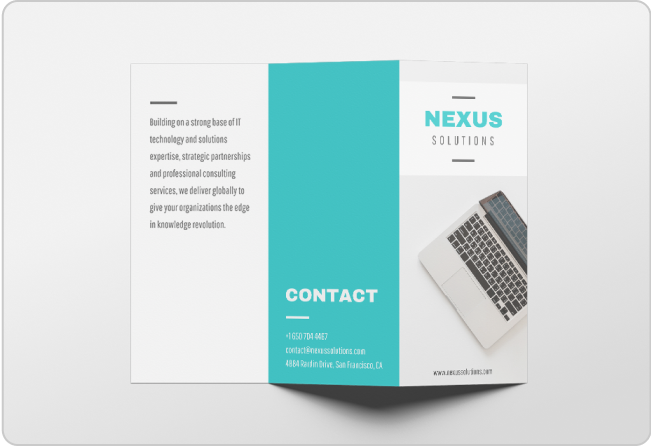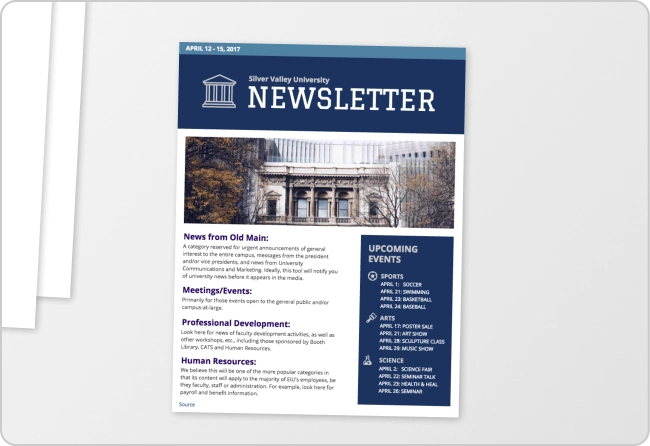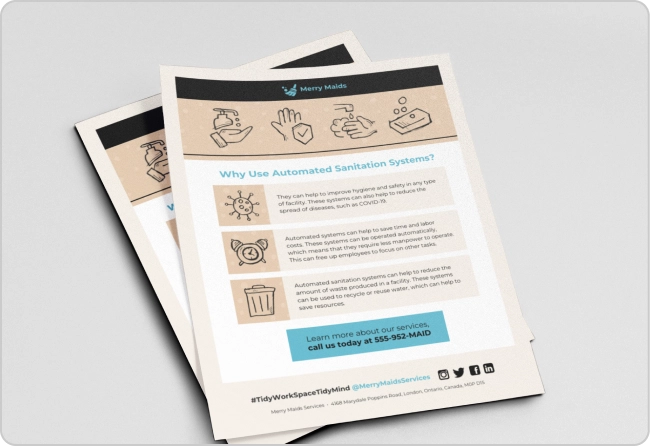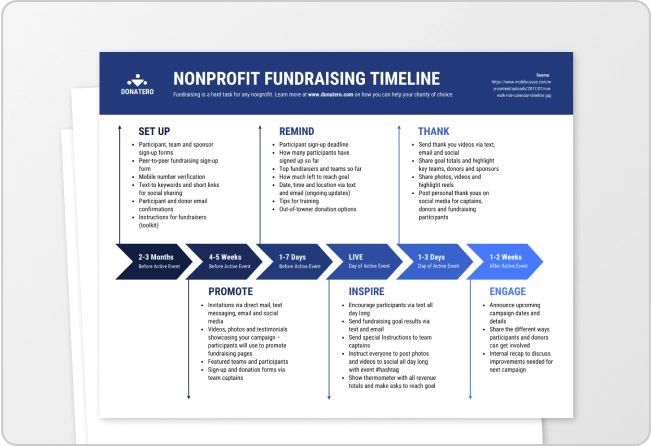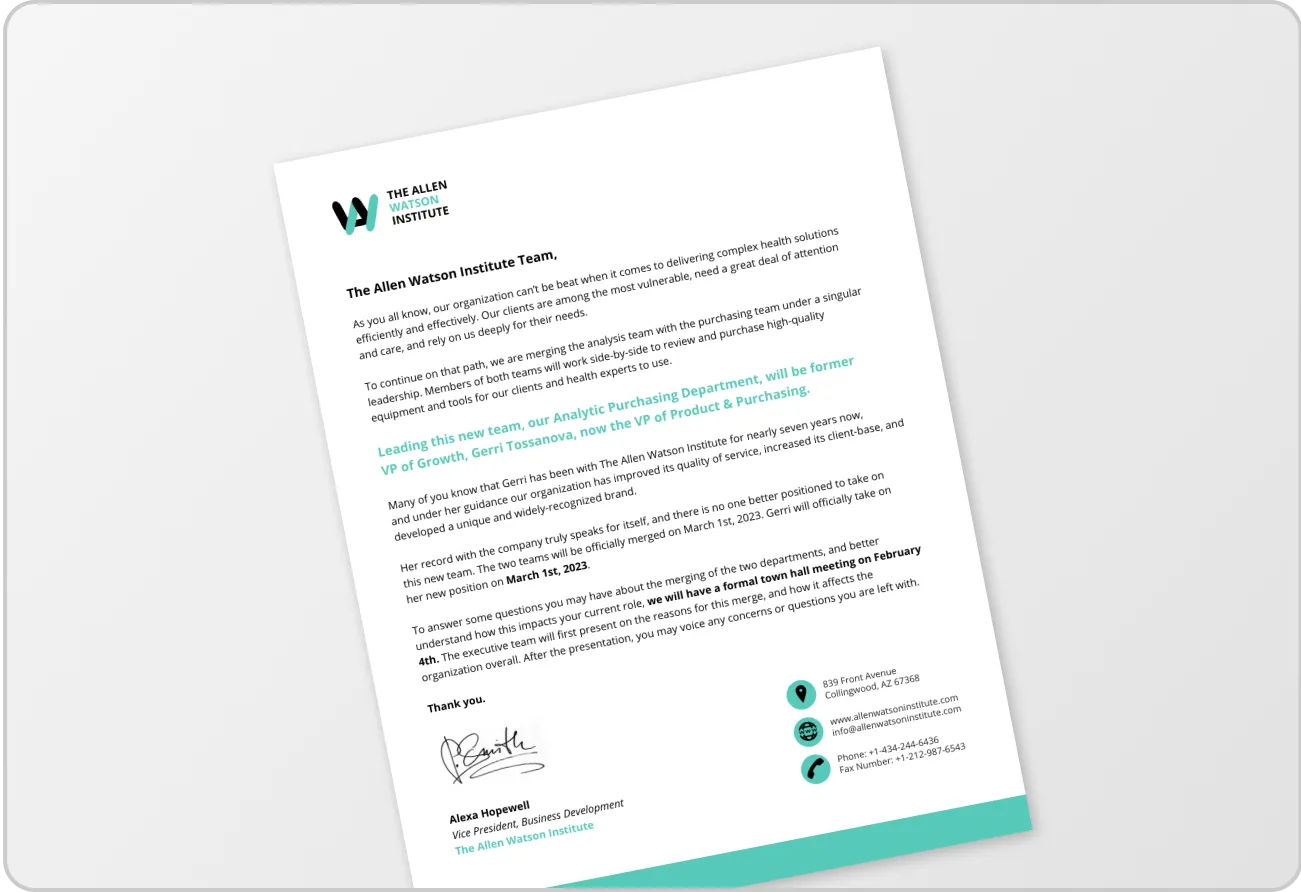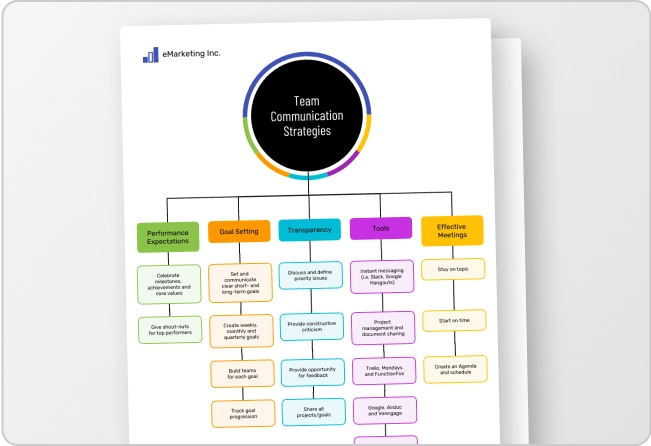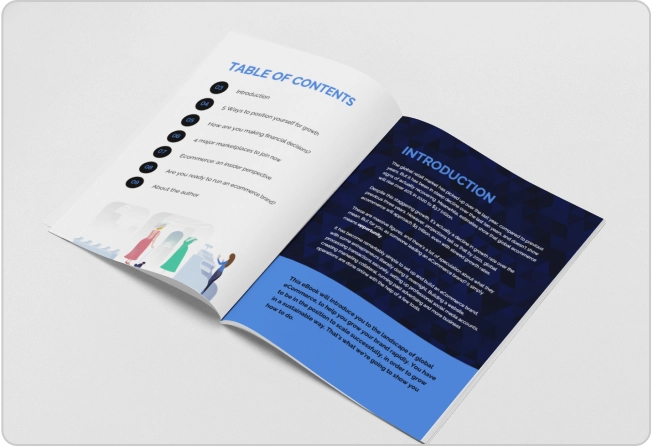


You can make a simple infographic in Microsoft Word using SmartArt, shapes and charts. It works best for process diagrams, lists, hierarchies and basic data visuals you need to include in a report, handout or internal document.
This tutorial shows you how to make an infographic in Word step by step.
But fair warning: Word’s infographic features are pretty basic and require a lot of manual editing. If you need a more flexible layout, more visual assets or a design for social media, try an AI infographic generator or infographic templates.
Why create infographics in Word?
Creating infographics in Word is ideal if you’re already familiar with the software and need something quick. It’s great for simple designs like basic charts or text-heavy visuals that don’t require many visual elements.
Plus, if you’re already using Word for reports or presentations, it’s easy to keep everything in one place. However, if you’re looking for more polished, professional designs, there are better tools out there — we’ll get to that later.
How to create an infographic in Word
For demonstration, I’ll create an MS Word document in the latest version of MS Office 365 suite.
If you’re using a different version of Word, some steps may differ slightly.
Step 1: Create a new document
Go to Layout > Orientation and choose Portrait for a vertical infographic or Landscape for a wider layout. Then go to Layout > Margins and select Narrow to give yourself more room to work with.
Add a clear title at the top of the page before you start building the design. For example, if you are creating an onboarding infographic, your title could be “Your First Week at [Company Name].”
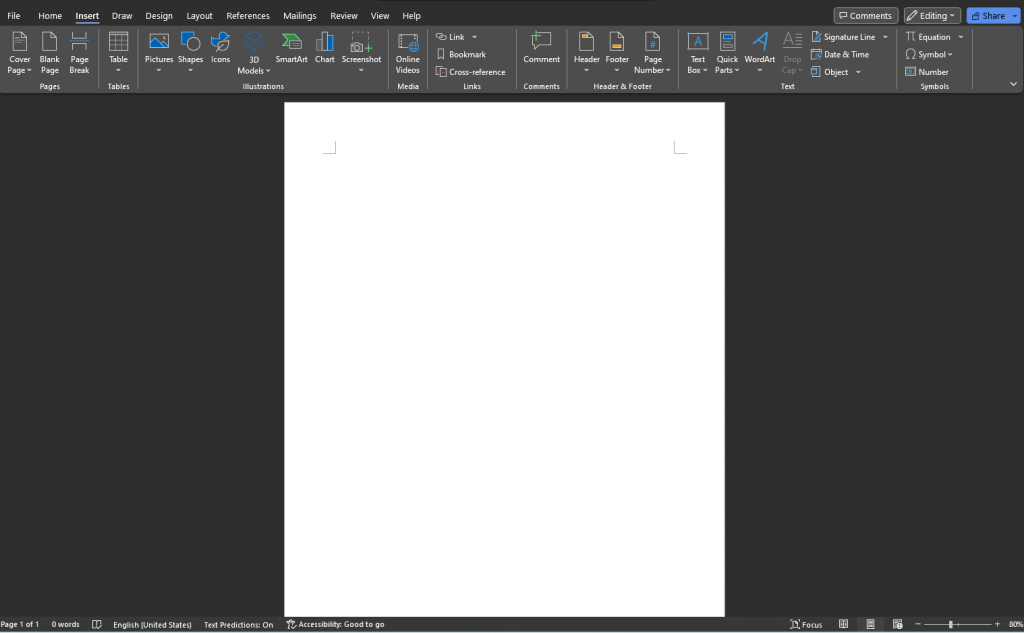
Step 2: Select the “Insert Tab” and click “SmartArt”
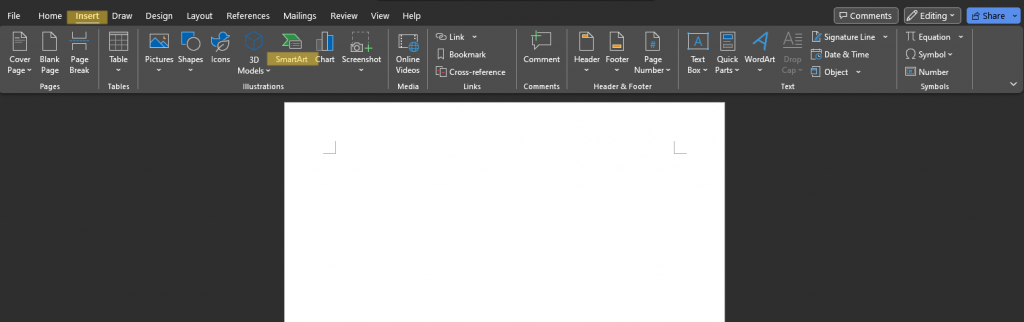
Click the Insert tab on the ribbon at the top of your Word document. Here, you should see the SmartArt option. Click on it to get the list of infographic templates:
Step 3: Select your infographic type
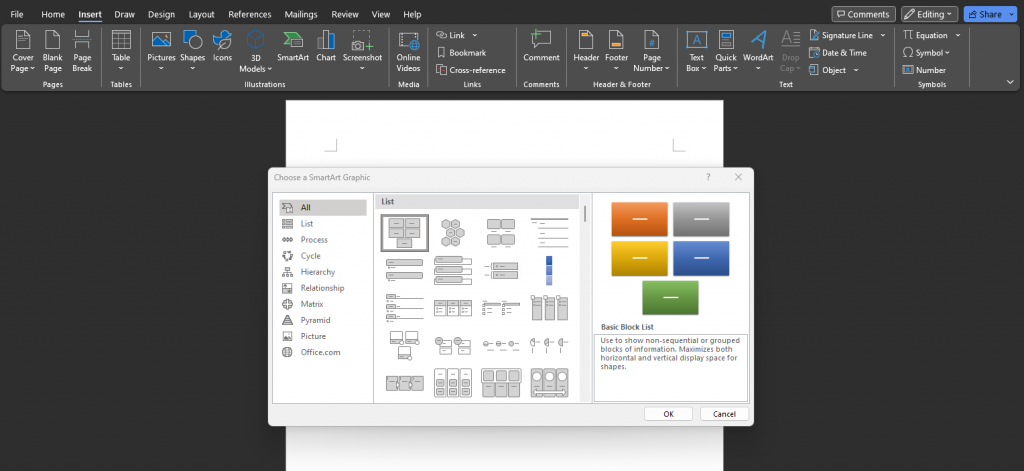
When you click on SmartArt, you’ll see a gallery of infographic templates. Choose the one that best suits the type of information you’re presenting:
Step 4: Edit your infographic
Generally, Word infographics are dull. But you can make them better using the SmartArt Design and Format options on the top right toolbar.
For example, I changed this black-and-white infographic into a colorful one:

If you want to add various graph types, go back to the Insert tab and select the Chart option. Word has several chart options such as pie charts or bar graphs.
Here are some other customization options:
- Add text styles: Change text to different fonts, sizes and colors to highlight key points.
- Insert a standalone image: Add visuals to Word infographics to make them engaging. But you’ll have to source it yourself.
- Align and group objects: Alignment and grouping play a big part in how professional your infographic looks.
Step 5: Save and export
Once your infographic is ready, Word allows you to share it in many ways. You can download your file as an Adobe PDF file, JPEG or HTML.
And that’s it!
If it feels like there’s a lot to do in each step, you’re not alone. Word is primarily a text-processing application. This means it offers limited options to edit layouts and it’s a headache to figure it out.
Luckily, there are better ways to create beautiful infographics. Later, I’ll show you just the right tool that offers easy drag-and-drop editing and customizable templates.
What are the 5 types of infographics you can create in Word?
In Word, you have two choices to create an infographic design. You can either create them from scratch using shapes. Or, you can select an existing infographic template.
If you choose a template to create an infographic an MS Word document, you’ll have a variety of infographic templates to choose from.
Below are some infographic templates in Word and examples of ones that are more effective.
1. Process infographics
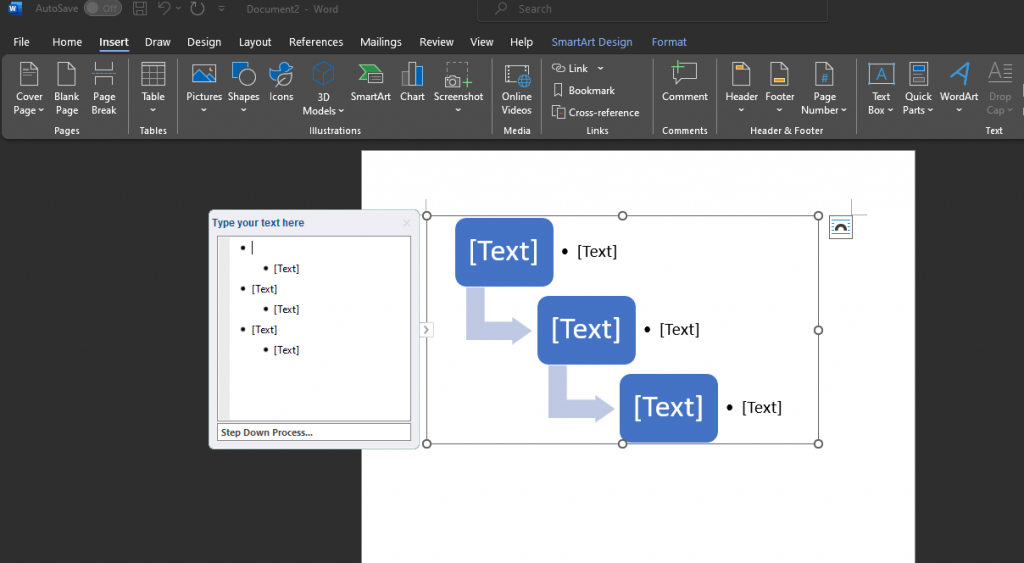
Process infographics show you the steps of a procedure or workflow. You’ll see them in manuals, training guides, and educational materials.
Here’s a basic process infographic template in Word:
Here’s an example of a process infographic that stands out:

2. List infographics
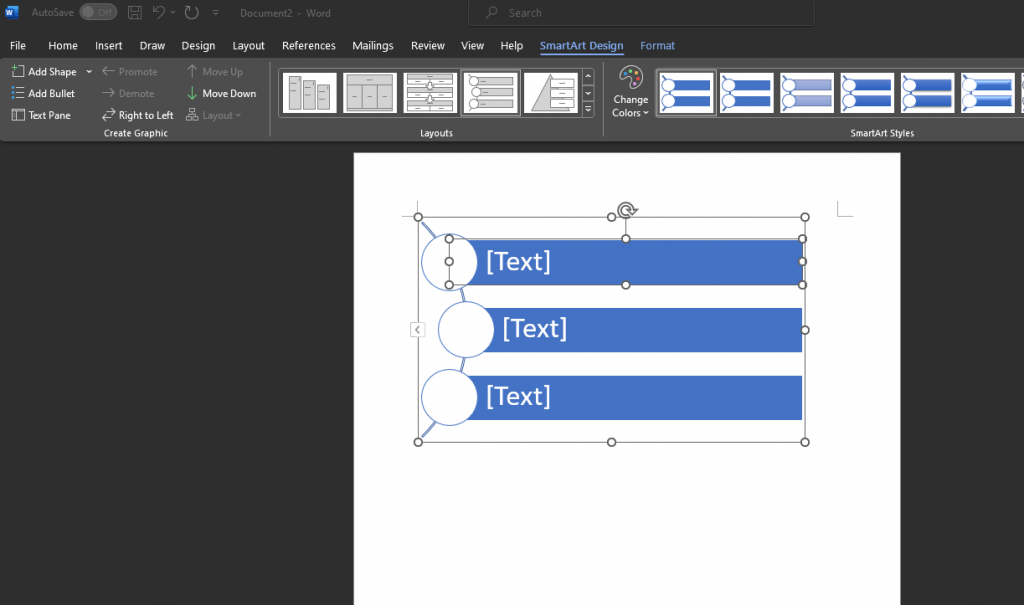
List infographics are ideal for presenting a series of items, helpful tips or ideas. You’ll see them in informational brochures, feature articles and how-to guides. Here’s how you can create them in Word.
Here’s one example of a list infographic:

3. Hierarchical infographics
Hierarchical infographics are similar to relationship charts. They show how different elements connect in a top-down layout:
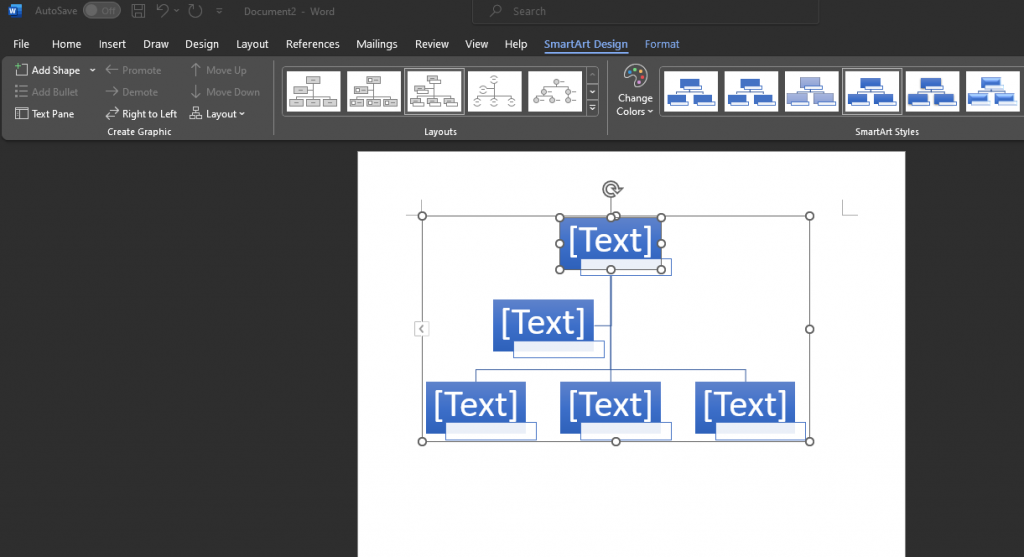
Here’s an example:

4. Matrix infographics
Matrix or comparison infographics organize and display data in a grid. This is useful in business reports, educational materials and data analysis.
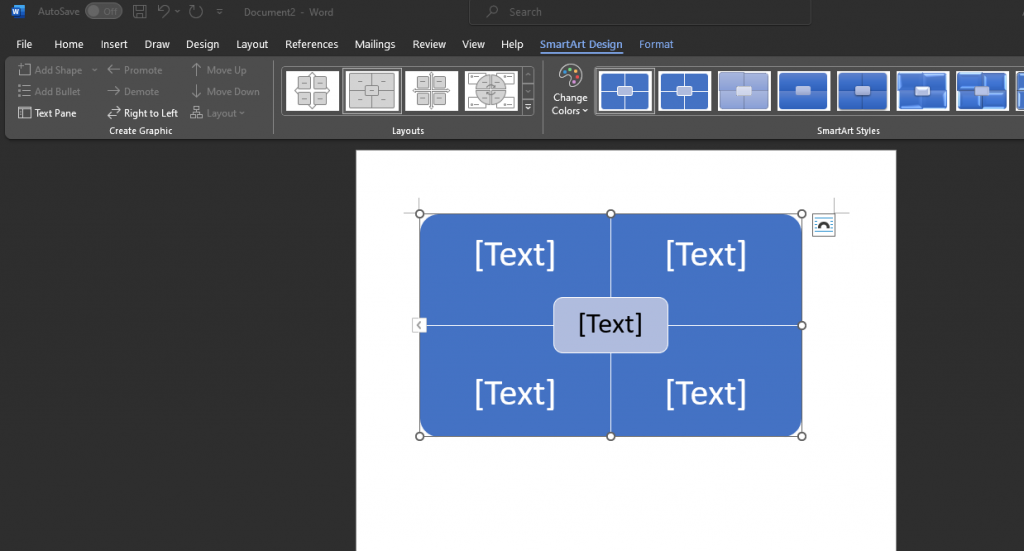
Here’s an example of a matrix infographic:

5. Pyramid infographics
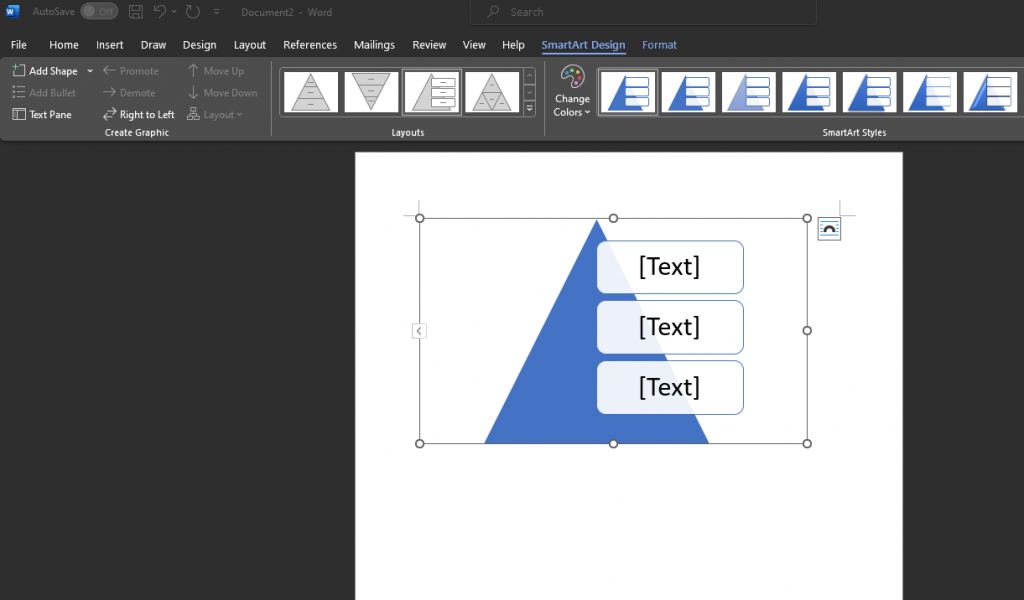
Pyramid infographics show layered relationships in a tiered format. They’re usually used to show organizational structures or levels of achievement:
Here’s an example of a pyramid infographic designed in Venngage:

What are the limitations of creating infographic in Word?
The main limitations of creating an infographic in Word are its limited design flexibility and the amount of manual work involved. Unlike dedicated infographic design tools, Word isn’t built specifically for generating infographic designs, so you have to spend a lot of time adjusting layouts, aligning elements and formatting the text.
Even then, you’d get a simple, basic infographic, especially if you don’t have much design experience.
Some common limitations of generating an infographic in Word include:
- Limited infographic templates: Word has some SmartArt graphics and templates, but they are very basic. They can work for simple infographics in presentations, but they aren’t ideal for social media content.
- More manual editing: You’ll need to manually position, resize, align, and format many elements. This can make creating an infographic much more time-consuming.
- Limited design flexibility: Creating more complex layouts, visual hierarchies, or custom infographic styles can be difficult because Word has limited design features.
- Fewer visual elements: Word doesn’t offer the same range of icons, illustrations, charts, and other design assets as dedicated infographic generators.
- Harder to maintain consistency: Keeping fonts, colors, spacing, and alignment consistent across a longer infographic can take extra time and effort.
What is the best alternative to creating infographics in Word?
Creating an infographic in Microsoft Word is possible, but it can take a lot of manual work to get the design right. Think of it like using crayons to draw a portrait sketch — technically possible, but nobody’s hanging that on the wall.
If you want to create a polished infographic without spending hours arranging shapes, choosing fonts and fixing layouts, try an AI infographic maker like Venngage.
With Venngage AI Infographic Generator, you can create infographics from simple text prompts, even if you have little or no design experience. It works like an AI design partner, helping you create the layout, refine the design and apply your branding without starting over each time.
Let’s see how you can use Venngage AI to generate infographic designs.
Generate an infographic from a text prompt
Already have the content but don’t know how to lay it out in an infographic design? Start with a text prompt describing what you want. You can choose a specific infographic type, such as a process or comparison infographic, or select “Auto” if you’re not sure which layout fits your content.
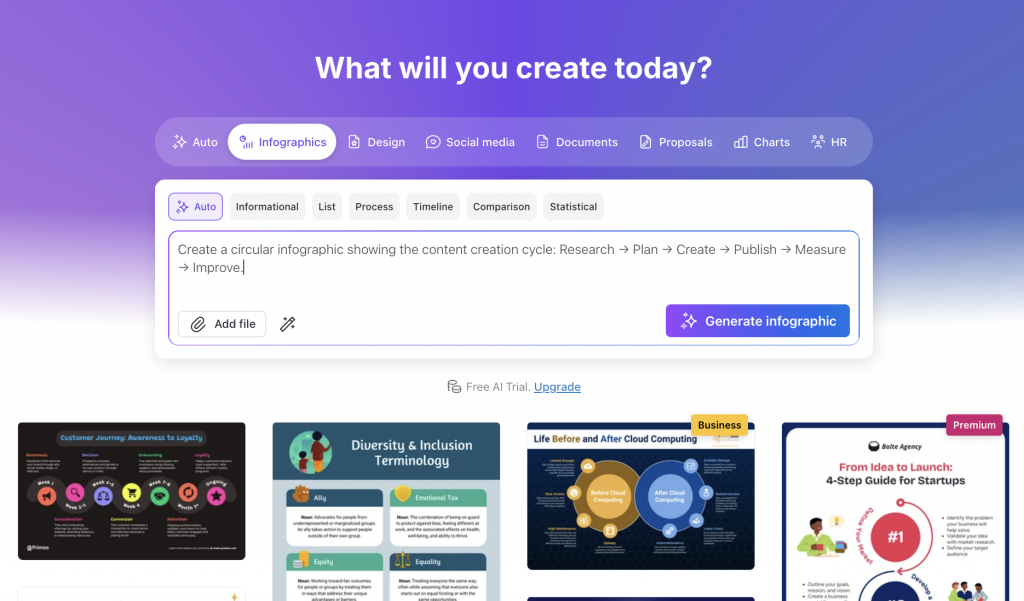
This gives you a starting point so focus on getting the content right instead of figuring out how to arrange every element on the page.
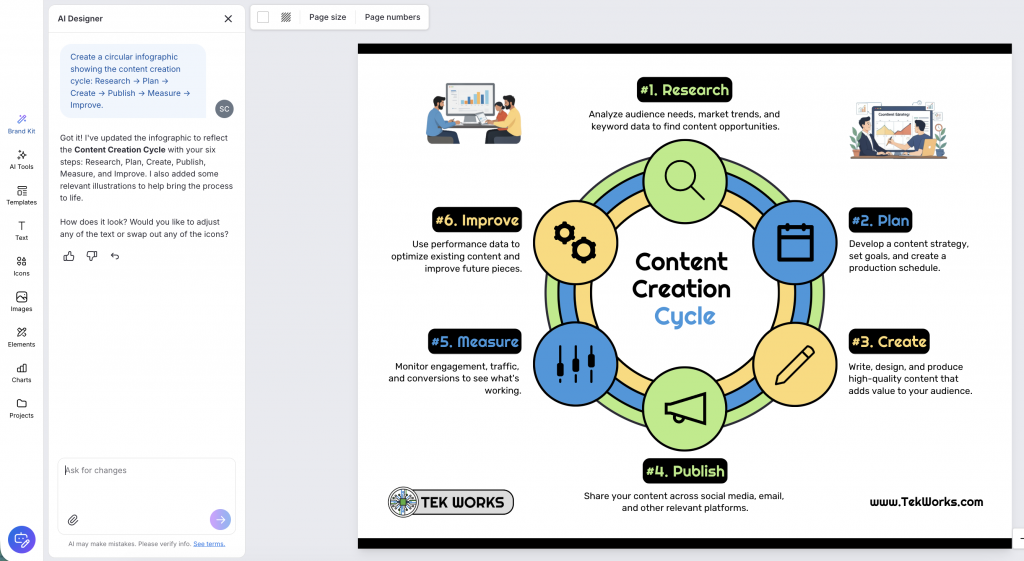
If you’d rather start with a ready-made design, Venngage has thousands of infographic templates, including process, comparison and informational infographics. Pick one that fits your content, then use AI to customize it.
Add a prompt and Venngage AI will apply your content to the design, saving you the time of rearranging everything yourself.
Edit your infographic with AI
Once you have the initial design, you can refine it in the AI Designer instead of making every change manually.
Start with the overall look. Ask the AI Designer to suggest a few color palettes and apply the one you like in one click. You can also ask it to try different layouts if you want to see how your content works in a different format.
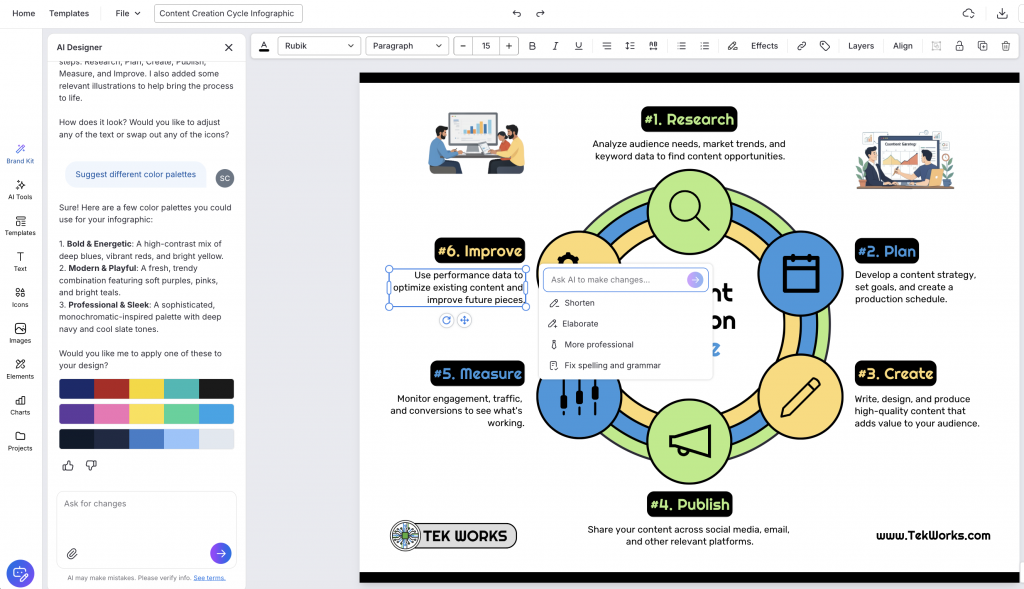
Then tidy up the details. The AI Writing Assistant can shorten your text, make it more professional or check the grammar.
You can also create custom icons with Venngage AI Icon Generator if you need visuals that are more specific to your topic.
If the infographic still feels a little flat, ask the AI Designer to make it more engaging. It can suggest changes like adding shadows, using 3D icons or improving the visual hierarchy. You can even ask it to review the design and suggest ways to polish it.
Once you’re happy with the result, save the infographic as a template so you or your team can reuse the design later.
Making beautiful infographics doesn’t have to be hard
Infographics are a great tool to have in your visual communication toolkit. You can use them in academic presentations, business reports, social media marketing and more.
They have the unique ability to turn complex information into engaging visuals.
And you don’t need world-class design skills to create one. With Venngage AI Infographic Generator, you can start with a simple text prompt and get a design to work from instead of building everything from scratch.
Try and see how quickly you can turn your ideas into an infographic using Venngage.
Frequently Asked Questions
1. Can I make an infographic in Word?
Yes, you can create infographics in Word using its SmartArt, shapes and diagram features to create an infographic.
2. Does Microsoft Office have infographic templates?
Yes, Microsoft Office provides several types of infographic templates in its SmartArt feature. They can be a starting point for creating infographics in Word.
3. What types of infographics can I make in Word?
Word is best for simple process, list, hierarchy and comparison infographics. For complex layouts, multiple charts or polished social-media graphics, use an infographic maker with more layout flexibility.
4. Is Microsoft Word good for making infographics?
Word is a practical choice when you need a straightforward visual inside a document and already work in Microsoft Office. It becomes limiting when you need custom layouts, a large icon library, brand controls or a design built for sharing outside a document.
5. Where can I find free infographic templates?
You can find free infographic templates on many platforms. But the best resource for free infographic templates you can use for appealing design is Venngage.